
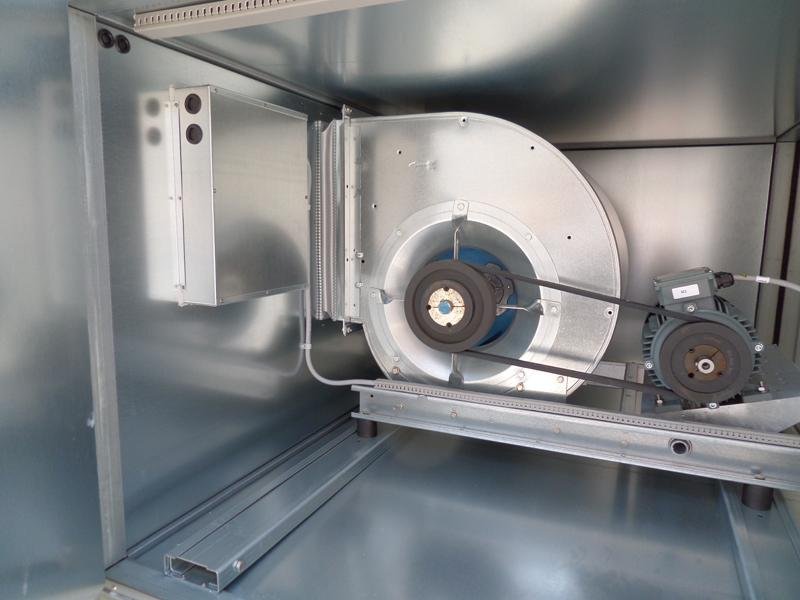
AHU Problems are common in commercial and industrial HVAC systems. These problems can affect cooling, airflow and indoor air quality. An Air Handling Unit (AHU) helps control air circulation, temperature and humidity inside a building.
AHUs are used in hospitals, hotels, offices, shopping malls and factories. However, continuous operation and poor maintenance can reduce their performance. As a result, buildings may face poor cooling, high energy bills and unexpected equipment failures.
In this guide, PRASHITAK HVAC explains common AHU problems, their causes and practical solutions. Additionally, you will learn how regular maintenance can improve AHU performance.
1. Common AHU Problems and Their Causes
An Air Handling Unit has several important parts. These include air filters, cooling coils, blowers, motors, dampers and drain trays.
However, problems in any of these parts can affect the complete HVAC system.
Common AHU problems include:
- Low airflow and poor ventilation.
- Insufficient cooling.
- Water leakage.
- Excessive noise and vibration.
- Motor overheating.
- Dirty air filters.
- Bad smell from the unit.
- High electricity consumption.
- Uneven cooling.
- Poor humidity control.
Therefore, regular inspection is important to find faults early.
2. Low Airflow Problems in AHU
Low airflow is one of the most common AHU problems. It can reduce cooling and affect indoor air quality.
Common Causes:
- Dirty or blocked air filters.
- Dust on cooling coils.
- Blocked air ducts.
- Low fan speed.
- Loose fan belts.
- Incorrect damper settings.
Solutions:
First, inspect the air filters. Clean or replace them if required. Next, check the cooling coil and remove dust from its surface.
Also, inspect the blower motor and fan belts. Check the air ducts for blockages. Finally, adjust the dampers to maintain proper airflow.
Regular airflow checks help maintain the required CFM.
3. AHU Cooling Problems and Solutions
Sometimes, an AHU runs continuously but does not provide enough cooling. This can increase electricity consumption and reduce comfort.
Common Causes:
- Low chilled water flow.
- Dirty cooling coils.
- Faulty control valves.
- Incorrect chilled water temperature.
- Air trapped inside the coil.
- Improper airflow.
Solutions:
First, check the chilled water supply. Then inspect the cooling coil for dust and dirt.
Additionally, check the control valve, strainer and chilled water pump. Remove trapped air from the water circuit where required.
Finally, measure the supply air temperature to check cooling performance.
4. AHU Water Leakage Problems
Water leakage is another common problem in Air Handling Units. It can damage floors, insulation and nearby electrical equipment.
Common Causes:
- Blocked drain pipes.
- Damaged drain trays.
- Incorrect drain trap installation.
- Improper unit levelling.
- Excessive condensation.
- Damaged pipe insulation.
Solutions:
First, clean the drain pipe and remove any blockage. Next, inspect the drain tray for cracks or corrosion.
Also, check the drain trap and water seal. Make sure the unit is properly levelled.
Finally, repair damaged insulation on chilled water pipes. These steps help prevent repeated water leakage.
5. AHU Fan Noise and Vibration Problems
An AHU should operate without excessive noise or vibration. However, mechanical faults can cause unusual sounds during operation.
Common Causes:
- Unbalanced blower fan.
- Worn-out bearings.
- Loose foundation bolts.
- Misaligned pulleys.
- Damaged fan belts.
- Loose internal parts.
Solutions:
First, inspect the blower and motor assembly. Check the bearings and lubrication.
Next, tighten loose bolts and check pulley alignment. Replace damaged belts where necessary.
If vibration continues, perform fan balancing. As a result, the AHU can operate more smoothly.
6. AHU Motor Overheating and Electrical Problems
Motor overheating can stop an AHU and damage electrical components. Therefore, it should not be ignored.
Common Causes:
- Excessive motor load.
- Low or unbalanced voltage.
- Damaged bearings.
- Electrical connection problems.
- Incorrect overload settings.
- Poor motor ventilation.
Solutions:
First, measure motor voltage and current. Then check the motor load and bearing condition.
Also, inspect electrical connections and overload protection. If the AHU uses a VFD, check its operating settings.
Electrical repairs should always be carried out by qualified technicians.
7. AHU Air Filter Problems
Air filters remove dust and airborne particles from incoming air. However, dirty filters can reduce airflow and increase fan load.
Common Causes:
- Irregular filter replacement.
- High dust levels.
- Incorrect filter selection.
- Damaged filter frames.
- Improper installation.
Solutions:
Inspect filters regularly and measure differential pressure. Replace damaged or blocked filters as required.
Additionally, select the correct filter grade for the application. Make sure the filter fits properly to prevent air leakage.
Depending on the building requirements, an AHU may use pre-filters, fine filters and HEPA filters.
8. Bad Smell from the AHU
A bad smell from an AHU may indicate dirt, moisture or microbial growth inside the unit.
Common Causes:
- Dirty cooling coils.
- Standing water in drain trays.
- Contaminated filters.
- Blocked drain pipes.
- Moisture inside ductwork.
Solutions:
First, inspect the cooling coil and drain tray. Remove standing water and clean dirty surfaces.
Next, replace contaminated filters. Also, clean the drain pipes and inspect the connected ductwork.
Proper cleaning and moisture control help improve indoor air quality.
9. High Energy Consumption in AHU
An inefficient AHU can increase monthly electricity bills. However, regular maintenance can help reduce unnecessary energy use.
Common Causes:
- Dirty air filters.
- Blocked cooling coils.
- Incorrect fan speed.
- Air leakage from ducts.
- Poor insulation.
- Incorrect temperature settings.
Solutions:
Clean filters and cooling coils regularly. Also, check fan speed and use suitable VFD controls.
Repair damaged duct insulation and air leaks. Furthermore, check temperature sensors and control valves.
Finally, monitor motor current and operating hours to identify energy losses.
10. Uneven Cooling Problems in AHU
Sometimes, one room receives enough cooling while another remains warm. This usually indicates an air distribution problem.
Common Causes:
- Incorrect duct design.
- Air leakage.
- Improper damper settings.
- Blocked air diffusers.
- Incorrect airflow.
- Insufficient AHU capacity.
Solutions:
First, inspect the ductwork and air outlets. Clean blocked diffusers and adjust dampers.
Next, measure airflow in different rooms. If required, perform air balancing.
This helps distribute conditioned air more evenly throughout the building.
11. High Humidity Problems in AHU
High humidity can make indoor spaces uncomfortable. It can also increase the risk of condensation and microbial growth.
Common Causes:
- Poor cooling coil performance.
- Incorrect chilled water temperature.
- Excessive airflow.
- Uncontrolled fresh air.
- Faulty humidity sensors.
- Poor condensate drainage.
Solutions:
Check the cooling coil and chilled water flow. Also, inspect fresh air dampers and humidity sensors.
Next, check condensate drainage and measure indoor humidity.
The correct solution depends on the building design and humidity requirements.
12. AHU Preventive Maintenance Checklist
Regular maintenance helps prevent major AHU problems. It also improves equipment life and operating efficiency.
| Maintenance Activity | Frequency |
|---|---|
| Visual inspection | Daily |
| Air filter inspection | Weekly |
| Filter pressure check | Weekly |
| Drain tray cleaning | Monthly |
| Blower and motor inspection | Monthly |
| Belt tension check | Monthly |
| Cooling coil cleaning | Quarterly or as required |
| Electrical inspection | Quarterly |
| Bearing inspection | Quarterly |
| Complete AHU servicing | Half-yearly |
| Airflow testing | Annually |
However, the maintenance schedule should be adjusted according to operating conditions and manufacturer recommendations.
13. Important AHU Performance Parameters
During maintenance, technicians should check important operating values.
These include:
- Supply air temperature.
- Return air temperature.
- Chilled water inlet and outlet temperatures.
- Airflow in CFM.
- Filter differential pressure.
- Motor voltage and current.
- Fan RPM.
- Relative humidity.
- Fan and motor vibration.
Regular monitoring helps identify problems early. Therefore, it is important to maintain proper service records.
14. Benefits of Professional AHU Maintenance
Professional maintenance helps keep an Air Handling Unit in good working condition.
The main benefits include:
- Better cooling performance.
- Proper airflow.
- Improved indoor air quality.
- Lower energy consumption.
- Fewer unexpected breakdowns.
- Longer equipment life.
- Reliable HVAC operation.
Furthermore, preventive maintenance can reduce costly emergency repairs.
Conclusion
AHU Problems can affect cooling, airflow, indoor air quality and energy consumption. However, most common problems can be controlled through regular inspection and timely maintenance.
Therefore, building owners and facility managers should follow a proper AHU maintenance schedule. Regular cleaning, testing and servicing help maintain reliable HVAC performance.
Professional AHU Services by PRASHITAK HVAC
PRASHITAK HVAC provides commercial and industrial HVAC solutions in Indore and surrounding areas.
Our services include:
- AHU installation and commissioning.
- Double Skin AHU supply and installation.
- Cooling coil cleaning and replacement.
- Pre-filter, fine-filter and HEPA filter replacement.
- Blower and motor maintenance.
- Chilled water piping and insulation.
- HVAC ducting and thermal insulation.
- Air balancing and airflow measurement.
- Industrial HVAC maintenance contracts.
Contact PRASHITAK HVAC
Website: https://prashitak.com
Phone: +91 9617599555
Location: Indore, Madhya Pradesh, India
Contact PRASHITAK HVAC for commercial and industrial HVAC installation, maintenance and project requirements.